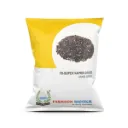
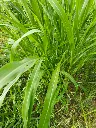
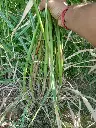
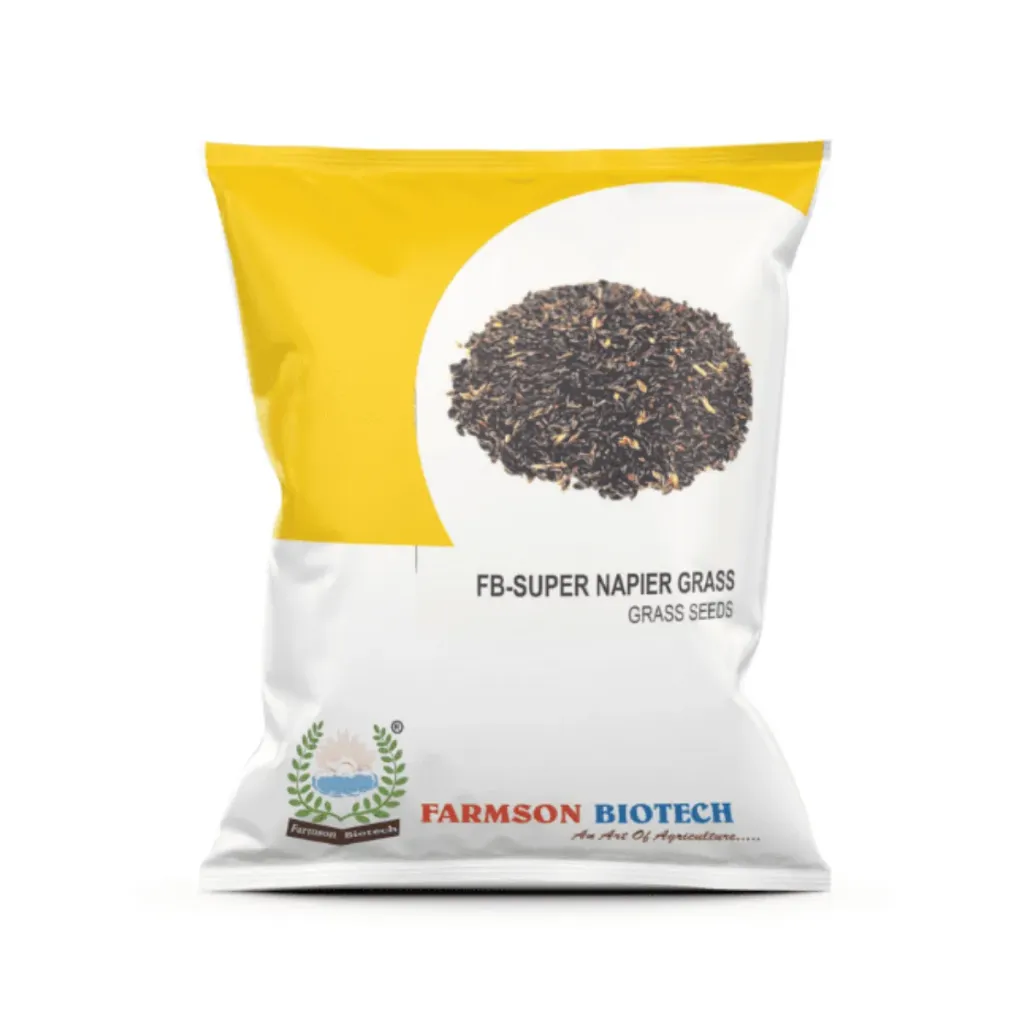
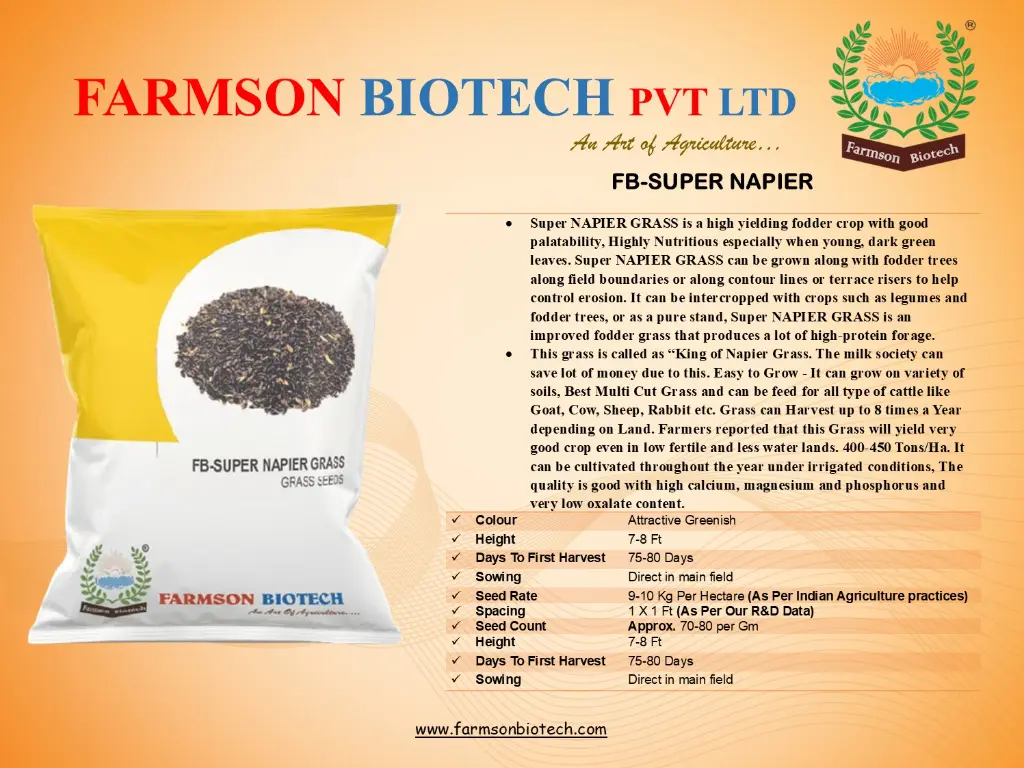
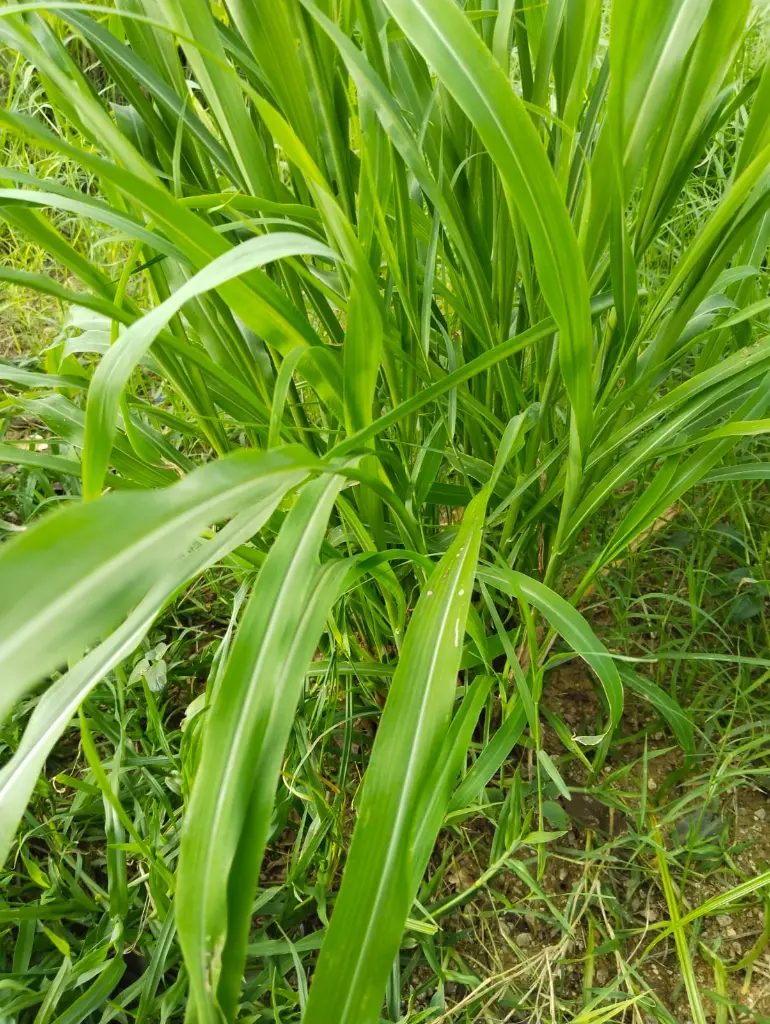
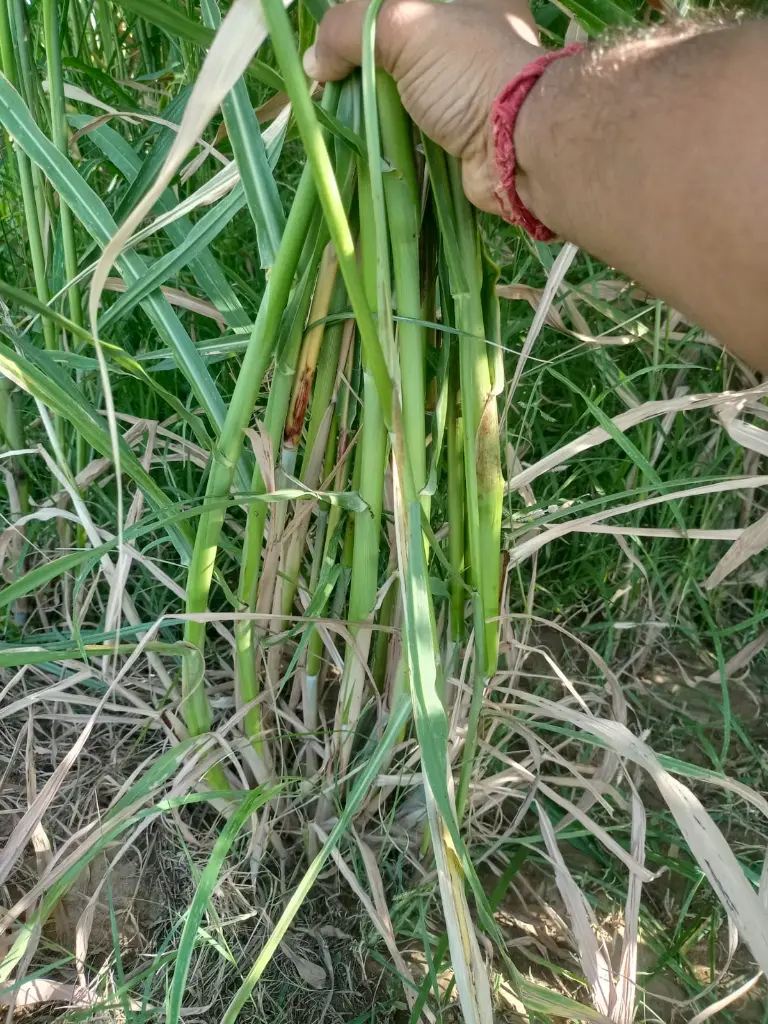
FB-Super Napier is called the king of Napier grass, and for a dairy it is one of the cheapest ways to cut a feed bill. It is a high-yielding, highly palatable fodder crop, particularly nutritious when young with dark green leaves, and it can be harvested up to eight times a year depending on land. Growers report good crops even on low-fertility, low-water land. It can be grown as a pure stand, intercropped with legumes or fodder trees, or planted along field boundaries, contour lines and terrace risers to help control erosion.
Key characteristics
| Colour | Attractive greenish |
| Height | 7-8 ft |
| Feed value | High-protein forage, highly palatable; best multi-cut grass for cattle, cows, goats, sheep and rabbits |
| Quality | High calcium, magnesium and phosphorus with very low oxalate content |
| Yield | 400-450 tonnes per hectare |
| Adaptability | Grows on a wide variety of soils, including low-fertility and low-water land |
Agronomy
| First harvest | 75-80 days after planting |
| Cuts per year | Up to 8, depending on land |
| Sowing | Direct in the main field |
| Seed rate | 9-10 kg per hectare |
| Seed count | Approx. 70-80 seeds per gram |
| Spacing | 1 ft x 1 ft |
| Season | Round the year under irrigated conditions |
Yield and maturity figures depend on season, region and cultural practice. Seed rate and spacing follow Indian agricultural practice and Farmson R&D trial data.