A Farmson Biotech Guide — An Art of Agriculture
Every farmer knows the frustration: the total seasonal rainfall figure looks "normal" on paper, but the fields tell a different story — weeks of dry, cracked soil followed by a sudden downpour that floods the same land. This isn't a one-off problem. It's becoming the defining pattern of the Indian monsoon, and 2026 has been one of the clearest examples yet.
This blog breaks down why rainfall distribution has become so unpredictable, what it actually means for farming operations, and how farmers can adapt their sowing and seed choices to manage the risk.
What Does "Uneven Rainfall" Actually Mean?
Uneven rainfall doesn't necessarily mean less rain overall — it means the timing and location of rainfall has become unreliable. A season can end with near-normal total rainfall on the national scorecard while individual regions face drought and others face flooding at the same time.
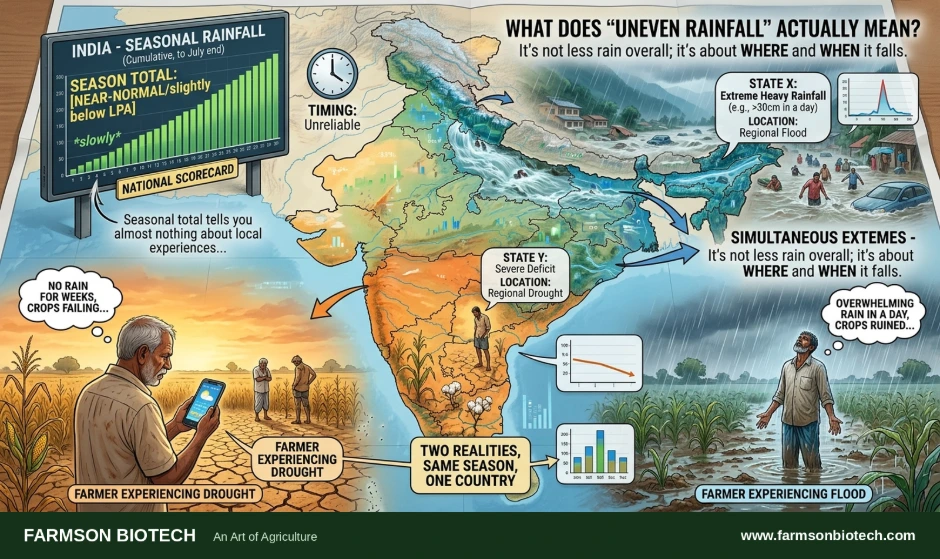
This year is a textbook case. Even as the season progressed, cumulative rainfall across the country remained well below the long-period average through much of July, even though certain states were simultaneously experiencing extremely heavy rainfall — some areas received over 30 cm of rain in a single day. The seasonal total tells you almost nothing about what any one farmer actually experienced in their own field.
Why Is This Happening?
1. A Weaker, More Variable Monsoon System
India's monsoon forecasting agencies projected the 2026 southwest monsoon at around 90-92% of the Long Period Average, placing the season in the "below normal" category from the outset, with a real chance of slipping further into "deficient" territory.
2. El Niño-Linked Disruption
Meteorologists pointed to El Niño-related conditions developing over the Pacific as a key driver — this climate pattern is historically associated with suppressed and more erratic monsoon behavior over India.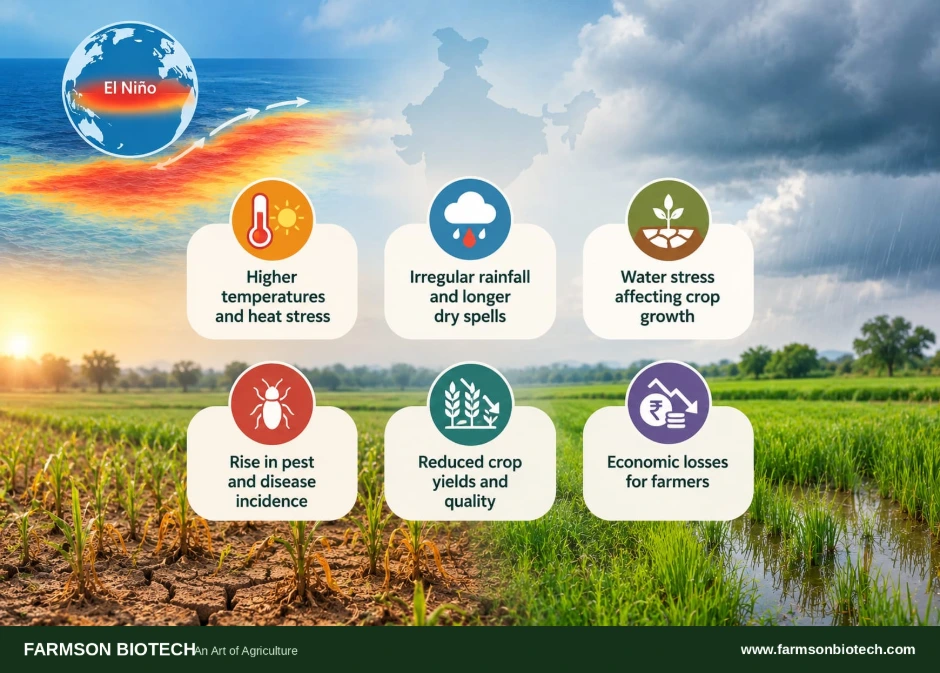
3. Delayed Onset, Then Sudden Bursts
rather than arriving steadily, this year's monsoon has behaved in bursts — recovering unevenly across crops and regions, and threatening to stall again within the same month it had just improved. For crops like paddy, soybean, and maize, which are especially sensitive during the two weeks right after sowing, this start-stop pattern is more damaging than a straightforward shortfall would be.
4. Climate Change Is Amplifying the Swing
Longer-term climate shifts across South Asia are making monsoon rainfall more erratic overall — longer dry spells punctuated by intense rainfall events, delayed onsets, and unpredictable fluctuations within the same season.
What Is the Uneven Rainfall Impact on Indian Agriculture?
- 1.Lower or Uneven Rainfall
- A weak or irregular monsoon can create dry periods during important crop growth stages. A field may receive good rain one week and then remain dry for several weeks.
This can affect:
- Seed germination
- Crop establishment
- Root development
- Flowering
- Grain filling
- Pod development
- Fruit development
- Final crop yield
- 2. Problems During Kharif Sowing
- The Kharif season depends heavily on the southwest monsoon.If rainfall is delayed, farmers may delay sowing because the soil does not have enough moisture. If farmers sow too early and rainfall stops soon afterward, seeds may germinate poorly or young plants may suffer moisture stress.
- This makes crop planning during low rainfall especially important.
- The Indian government has also been reviewing Kharif preparedness and contingency measures in response to El Nino concerns, including water conservation and alternative crop planning.
- 3. Higher Irrigation Pressure
- When rainfall is insufficient, farmers may depend more heavily on borewells, canals, farm ponds and other irrigation sources.
This can increase:
- Irrigation costs
- Electricity or fuel expenses
- Groundwater use
- Competition for available water
- Crop production costs
Recent 2026 reporting has highlighted rainfall deficits affecting crops such as cotton, soybean, maize and rice, with September rainfall particularly important for crops that are still developing.
Farmers with limited irrigation facilities may be more vulnerable than farmers with reliable water sources.
- 4. Soil Moisture Stress
- Rainfall does more than provide water directly to crops. It also maintains soil moisture.During a prolonged dry period, the soil may lose moisture faster than the crop can replace it. This can affect nutrient uptake and plant growth.
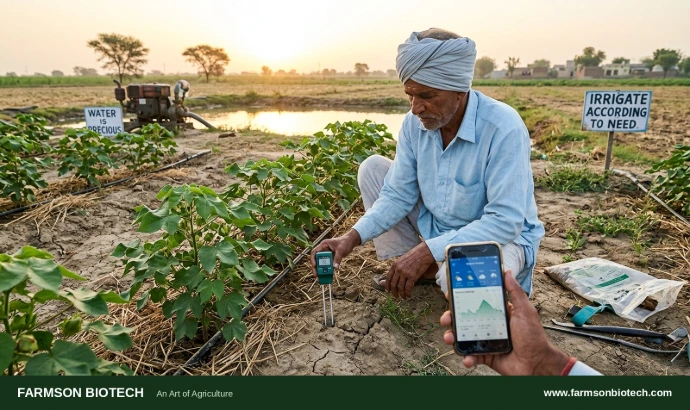
- Farmers should therefore monitor actual soil moisture rather than following a fixed irrigation schedule.
- 5. Crop Yield Can Be Affected
- When crops experience moisture stress during sensitive growth stages, yields can decline.
The effect varies according to:
- Crop
- Variety
- Soil type
- Irrigation availability
- Crop growth stage
- Rainfall timing
- Temperature
- Local weather conditions
Crops such as rice, pulses and other food crops can be sensitive to changes in monsoon rainfall.
This does not mean every farmer growing these crops will experience losses. Good soil management, suitable varieties, irrigation and timely farm decisions can reduce the risk.
What Should Indian Farmers Watch for uneven rainfall?
The uneven Rainfall 2026 situation deserves attention because forecasts indicate a strengthening event.Weather conditions can be very different even between nearby districts.
The World Meteorological Organization's September 2026 update indicates that uneven Rainfall is expected to become very strong toward the end of 2026, while rainfall and temperature patterns may remain unusual across different regions. Other climate factors can reinforce or modify the typical El Nino influence.
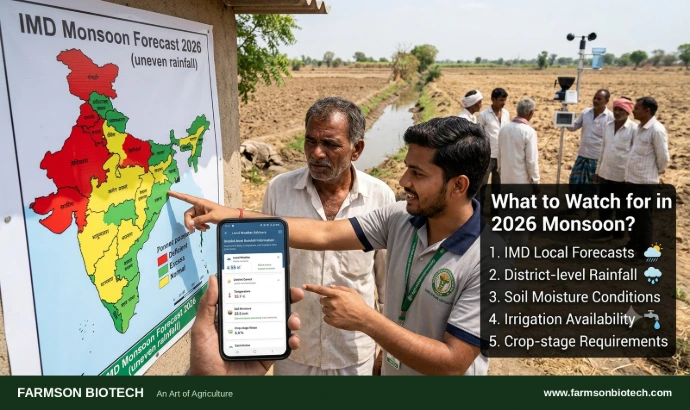
Recent reporting has also pointed to deficient rainfall during parts of India's 2026 monsoon season. This makes water management and crop planning particularly important for farmers.
Farmers should avoid making decisions based only on a general Uneven Rainfall A forecast. Instead, follow:
- IMD weather forecasts
- Local agricultural advisories
- District-level rainfall information
- Soil moisture conditions
- Irrigation availability
- Crop-stage requirements
How Farmers Can Adapt — Practical Steps
1. Choose Crops According to Water Availability
- Before planting, consider how much irrigation water is actually available.
- If water availability is limited, farmers may consider suitable short-duration, drought-tolerant or lower-water-demand crops according to local agricultural recommendations.
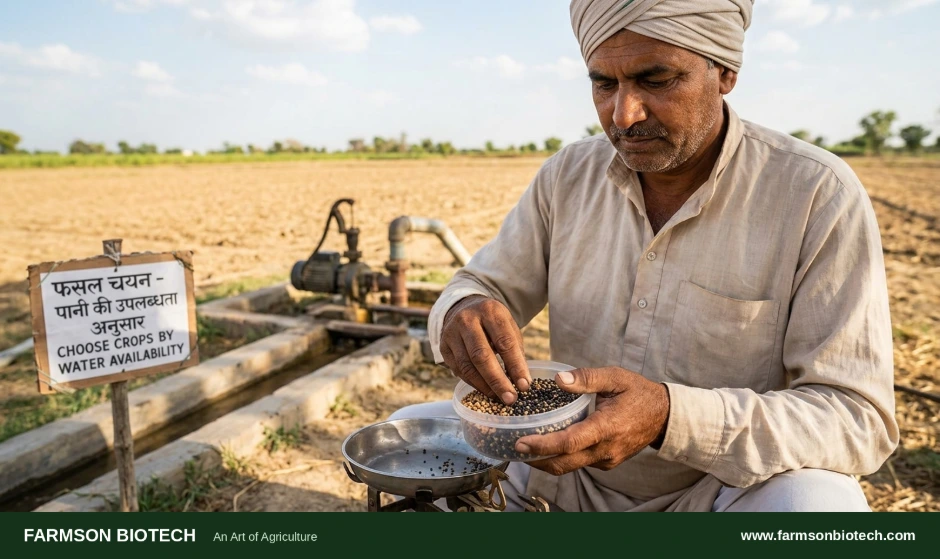
- Crop selection should be based on local soil, climate, market conditions and official agricultural advice.
2. Conserve Rainwater
- Farm ponds, field bunds, check dams, mulching and other suitable water-conservation practices can help retain available water.
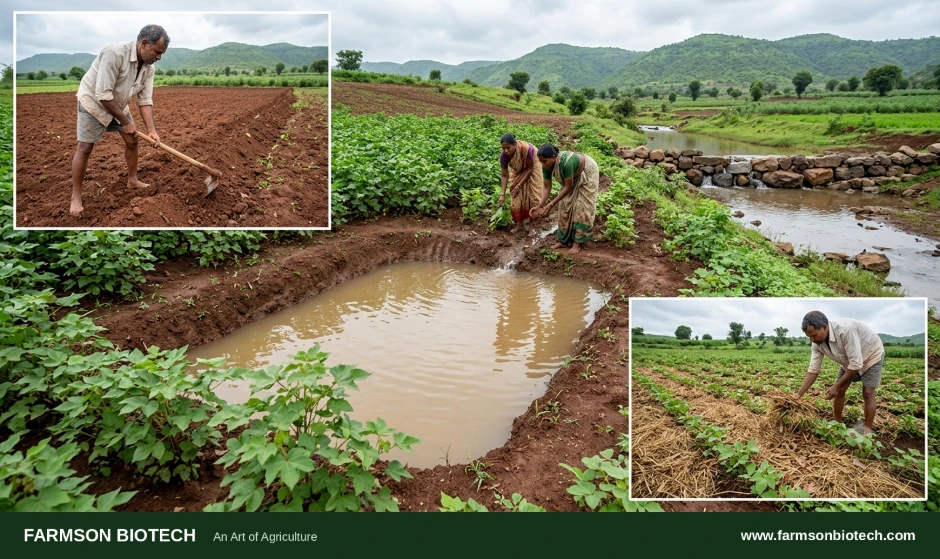
- The goal is simple: capture more useful rainfall and reduce unnecessary water loss.
- 3. Improve Soil Moisture Management
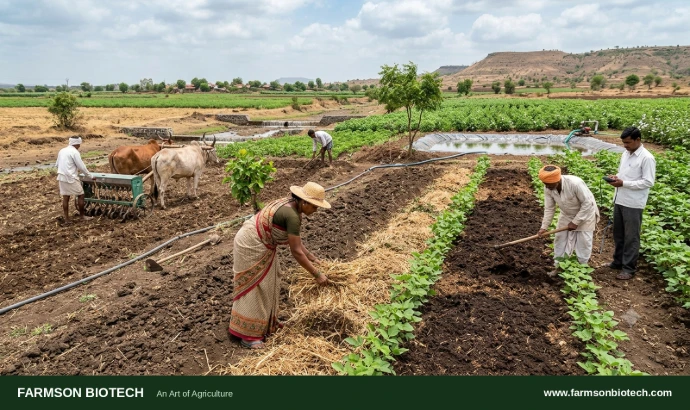
- Healthy soil can support better water retention.
Farmers can consider practices such as:
- Adding suitable organic matter
- Using mulch where appropriate
- Reducing unnecessary soil disturbance
- Maintaining good soil structure
- Preventing erosion
- Managing weeds
- Soil moisture
- Crop stage
- Recent rainfall
- Weather forecast
- Root-zone condition
- Irrigation water availability
Soil testing can also help farmers avoid unnecessary fertilizer applications and plan crop nutrition more efficiently.
4. Use Irrigation Carefully
During an El Nino-related dry period, every irrigation should be planned.
- 5. Monitor Crops More Frequently
- Weather stress can make crops more vulnerable to pests and diseases.
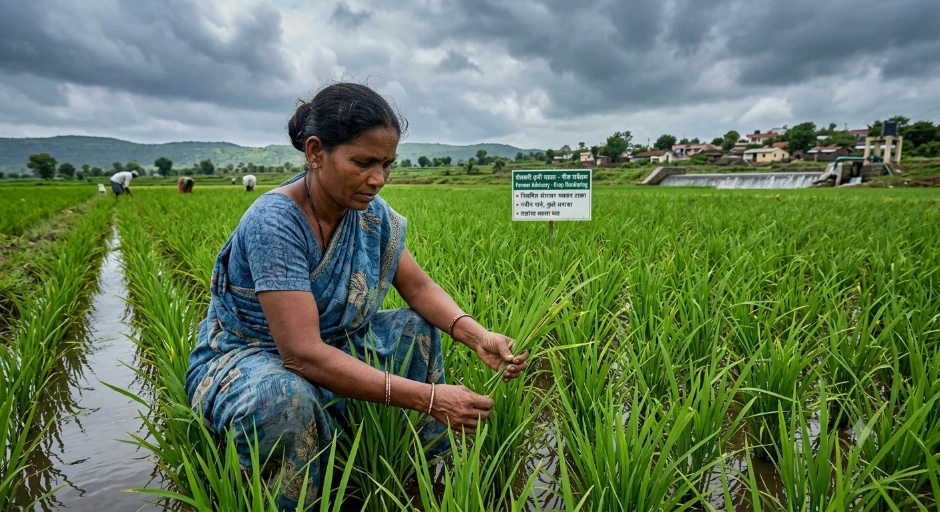
Walk through the field regularly and inspect:
- New leaves
- Growing points
- Flowers
- Pods
- Fruits
- Stems
- Roots where possible
- Changing the crop
- Selecting a shorter-duration variety
- Adjusting sowing dates
- Reducing the cultivated area
- Conserving available water
- Arranging supplementary irrigation
Frequently Asked Questions
Q1: If the total monsoon rainfall ends up "normal," does that mean my crop is safe?
- Not necessarily. As this year has shown, a normal seasonal total can still hide long dry spells and flooding events within the same season — the distribution matters as much as the total.
- Q2: Should I delay sowing if the monsoon onset is late?
- It depends on the crop, but experts generally advise against waiting too long — a short delay combined with a shorter-duration variety is often safer than pushing sowing back significantly.
- Q3: How can I protect my crop from both drought and flooding risk in the same season?
- Choosing hybrid varieties with strong disease tolerance and reliable maturity timelines reduces vulnerability either way — combined with field-level water management (drainage for excess rain, irrigation readiness for dry spells).
Conclusion
- The 2026 monsoon has made one thing clear: the old assumption that a "normal" seasonal rainfall figure means a safe season no longer holds. For farmers, the real risk today lies in unpredictability — dry spells followed by sudden downpours, and sharp contrasts between neighboring regions. Adapting means paying closer attention to local conditions, building flexibility into sowing decisions, and choosing seed varieties that can absorb some of that uncertainty without sacrificing yield.
Do not assume that every yellow leaf is caused by a nutrient deficiency. Water stress, pest attack, disease and nutrient problems can produce similar symptoms
6. Be Careful With Spraying
Weather conditions are particularly important when applying pesticides, fungicides, herbicides or foliar nutrients.
Rain shortly after spraying can wash products from plant surfaces, while strong winds can cause spray drift.
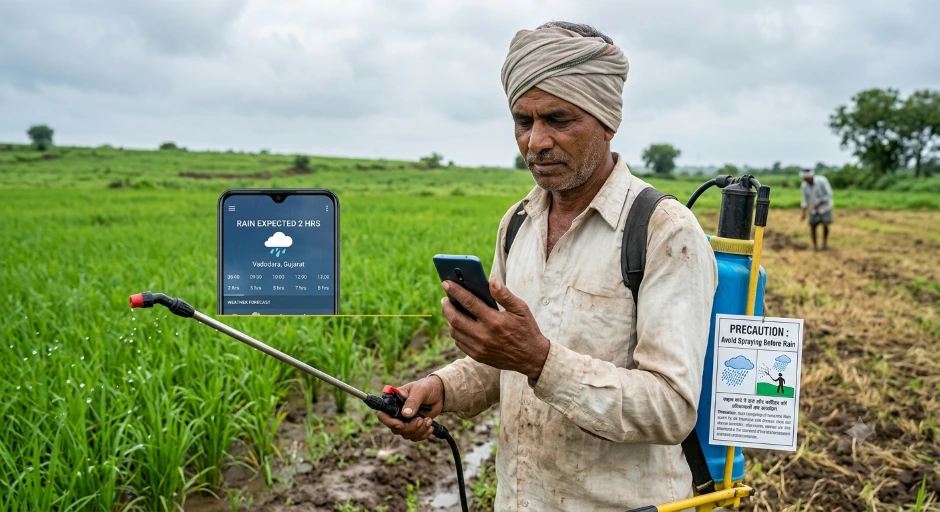
Farmers should check the product label, weather conditions and expected rainfall before application.
before application.
7. Keep a Contingency Crop Plan
Farmers should have an alternative plan if rainfall remains poor.
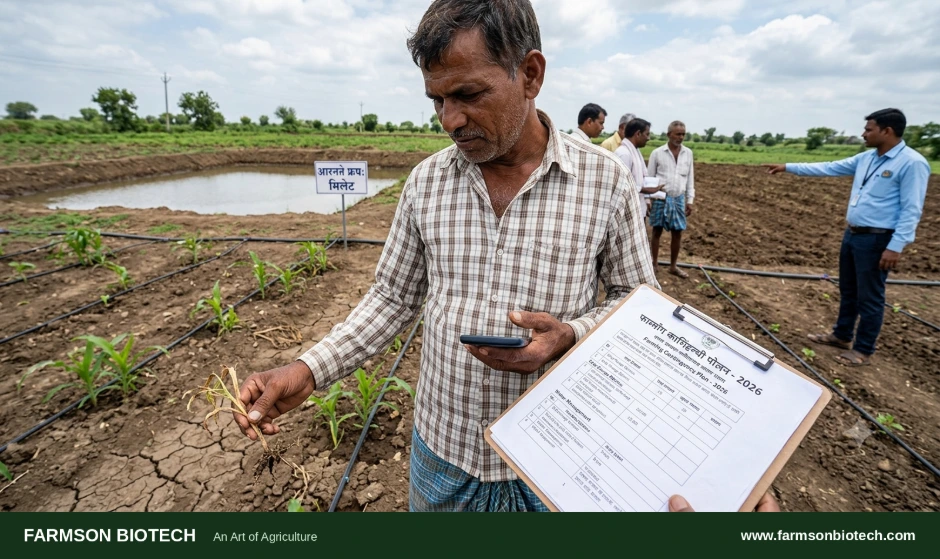
Depending on local recommendations, contingency planning may involve:
The right choice depends on the local crop calendar and agricultural advisory.